
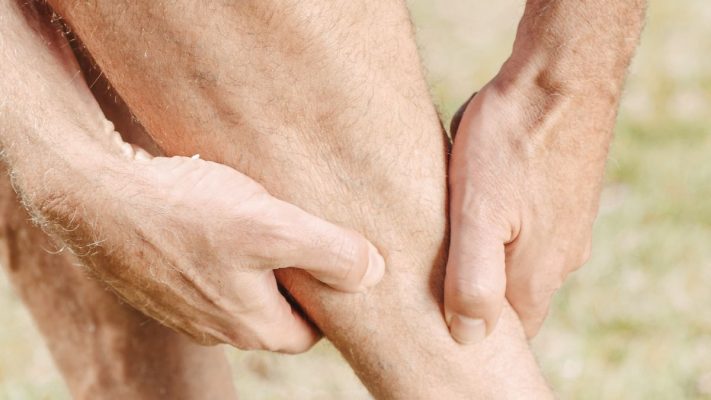
Radicular pain is the sharp, shooting, burning or electric pain that travels down an arm or leg when a nerve root in the spine is irritated. Sciatica is the best-known example. It can be very intense, but most episodes settle well with the right approach.
Need help? Read about our sciatica treatment in Dublin, or book an appointment in Dublin 2 or online.
| Common causes | Disc bulge or herniation, foraminal narrowing, stenosis |
|---|---|
| Key feature | Shooting pain in a narrow band, usually below the knee or elbow |
| Main treatment | Positions of relief, nerve glides, gradual strengthening, pain management |
| Typical improvement | Most episodes improve within 6 to 12 weeks |
| Surgery | Rarely needed; considered for severe or persistent cases |
What causes it?
Most radicular pain comes from a disc bulge or herniation. Disc material leaking near the nerve root triggers inflammation, which is why pain can be severe even when the scan looks mild. Narrowing of the nerve exit from arthritis or stenosis, and less commonly spondylolisthesis, are other causes.
Radicular pain vs referred pain
| Radicular pain | Shooting, electric or burning; narrow band; often below the knee or elbow; may come with pins and needles |
|---|---|
| Somatic referred pain | Deep, dull ache; spread over a wider area; usually stays above the knee or elbow |
| Radiculopathy | Radicular pain plus numbness, weakness or reduced reflexes |
Telling these apart helps choose the right treatment and how closely to monitor recovery.
Symptoms
- Shooting pain down the leg or arm, often worse than the back or neck pain
- Pain with coughing, sneezing, sitting or bending
- Pins and needles along the same path
- Pain that is worse at night or in certain positions
Seek urgent medical care if: you have numbness around the groin or saddle area, bladder or bowel changes, or quickly worsening weakness in the arm or leg.
How is it diagnosed?
Your history and examination, including nerve tension tests such as the straight leg raise, usually identify radicular pain. Imaging is reserved for severe, persistent or worsening cases.
Treatment
- Positions of relief and activity changes to calm the nerve
- Gentle nerve glides rather than stretching into the pain
- Gradual strengthening of the spine, hips or shoulders as pain settles
- Sleep and pain management advice, and liaison with your GP about medication
- Monitoring nerve function so any change is picked up early
What you can do at home
- Avoid long periods of sitting; get up and walk briefly every 30 minutes
- Try lying on your back with your knees bent, or on your side with a pillow between your knees
- Keep gently active rather than resting in bed
Outlook
Most episodes improve significantly within 6 to 12 weeks. Large disc herniations can take longer, but they often shrink naturally, and many people still recover without surgery.
Frequently asked questions
How long does radicular pain last?
Most improve within 6 to 12 weeks, though some take a few months.
Should I stretch when I have nerve pain?
Avoid stretching into sharp pain. Gentle nerve glides and positions that ease it are more helpful.
Why is my leg pain worse than my back pain?
That is typical of radicular pain: the irritated nerve sends pain along its path into the limb.
Do painkillers help?
Some people need medication to sleep and stay active. Discuss options with your GP or pharmacist.
Videos that will help
- 3 sciatica exercises that actually reduce leg pain
- Best sleeping position for a pinched nerve + 3 exercises
- How a surgeon recovered from sciatica without surgery
Related conditions
Related articles
Sciatica Pain Relief in Dublin Top exercises for sciatica pain relief Sciatica Causes, Symptoms, and Treatment In Dubl
Get expert help
Not improving, or want a plan built around your scan and goals? Book an assessment at our Dublin 2 clinic or online from anywhere.
General information only; it does not replace an individual assessment.
Not in Dublin? Recover with Bob online.
Follow Bob’s step-by-step rehab plans in the Bob the Physio app, or work with him 1:1 on a flexible monthly online programme. See real recovery stories from 1,000+ people.
References
- Bogduk N. On the definitions and physiology of back pain, referred pain, and radicular pain. Pain. 2009;147(1-3):17-19. Link
- Chiu CC, Chuang TY, Chang KH, et al. The probability of spontaneous regression of lumbar herniated disc: a systematic review. Clin Rehabil. 2015;29(2):184-195. Link
- National Institute for Health and Care Excellence (NICE). Low back pain and sciatica in over 16s: assessment and management (NG59). 2016, updated 2020. Link