
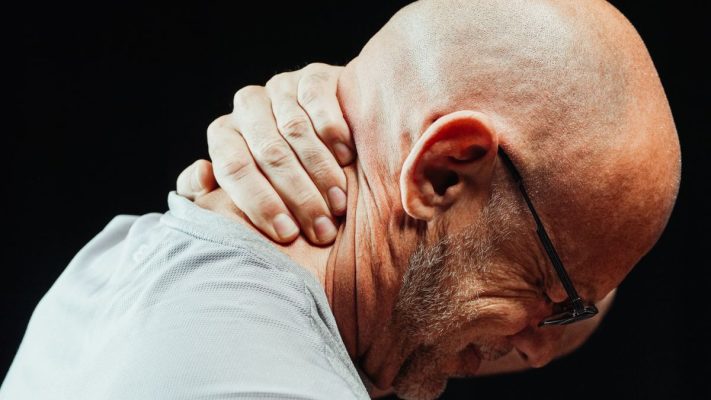
Radiculopathy means a spinal nerve root is compressed or irritated so it does not work fully. In the neck (cervical radiculopathy) it affects the arm and hand; in the lower back (lumbar radiculopathy, often called sciatica) it affects the leg and foot. Most people recover without surgery.
Need help? Read about our neck pain treatment in Dublin, or book an appointment in Dublin 2 or online.
| Common causes | Disc bulge or herniation, foraminal narrowing from arthritis or stenosis |
|---|---|
| Key signs | Pain along a nerve plus numbness, pins and needles, weakness or reduced reflexes |
| Main treatment | Calm the nerve, nerve glides, progressive strengthening, monitoring nerve function |
| Typical improvement | 6 to 12 weeks; numbness and strength can take months |
| Surgery | For progressive weakness or severe pain not improving with good care |
Radiculopathy vs radicular pain
Radicular pain is the shooting, burning pain along a nerve. Radiculopathy means the nerve is also losing function, with numbness, weakness or reduced reflexes. You can have one without the other, and radiculopathy needs closer monitoring.
Which nerve is affected?
| C6 | Thumb and index finger; weak biceps and wrist extension |
|---|---|
| C7 | Middle finger; weak triceps |
| L4 | Front of the shin; weak knee straightening |
| L5 | Top of the foot and big toe; weak ankle and big toe lifting, possible foot drop |
| S1 | Outside of the foot and sole; weak calf, reduced ankle reflex |
Symptoms
- Pain travelling into the arm or leg, often below the elbow or knee
- Pins and needles or numbness in a specific area of the hand or foot
- Weakness, such as reduced grip, difficulty lifting the foot or rising on tiptoes
- Neck or back pain, though the limb pain is often worse
Seek urgent medical care if: weakness is getting worse quickly, you develop foot drop, clumsy hands or balance problems, numbness around the groin, or bladder and bowel changes.
How is it diagnosed?
Testing strength, sensation and reflexes identifies the nerve involved. An MRI shows the cause and is useful when symptoms are severe, not improving, or surgery or injections are being considered. Nerve conduction studies help when the diagnosis is unclear.
Treatment
- Calming the nerve: positions of relief and activity changes
- Nerve glides rather than aggressive stretching
- Progressive strengthening of the neck or back and the affected limb
- Regular re-testing of strength and reflexes to track recovery
- Liaison with your GP or consultant for medication, injections or imaging when needed
What you can do at home
- Find and use positions that ease the limb pain
- Keep walking and moving gently within comfort
- Note any change in strength or numbness and report it
Outlook
Most episodes improve over 6 to 12 weeks, and many people recover fully. Nerves heal slowly, so numbness and strength can keep improving for several months.
Frequently asked questions
Can a pinched nerve heal on its own?
Often, yes. Exercise and the right advice speed this up and reduce the risk of it returning.
Do I need an MRI?
Not always. It is most useful when symptoms are severe, not improving, or surgery or injections are being considered.
Is surgery needed?
Only for a small number of people, usually with progressive weakness or pain that does not improve with good conservative care.
How do I know if it is getting better?
Limb pain usually settles first and moves closer to the spine; strength and sensation then improve.
Videos that will help
- Cervical radiculopathy: everything you need to know
- Pins and needles in your arm and fingers: try this nerve glide
- Real patient: foot drop healed without surgery (L4-L5 disc herniation)
Related conditions
Related articles
Herniated Disc Physiotherapy in Dublin 2 Cervical Disc Herniation Treatment in Dublin Cervical Disc Bulge
Get expert help
Not improving, or want a plan built around your scan and goals? Book an assessment at our Dublin 2 clinic or online from anywhere.
General information only; it does not replace an individual assessment.
Not in Dublin? Recover with Bob online.
Follow Bob’s step-by-step rehab plans in the Bob the Physio app, or work with him 1:1 on a flexible monthly online programme. See real recovery stories from 1,000+ people.
References
- Iyer S, Kim HJ. Cervical radiculopathy. Curr Rev Musculoskelet Med. 2016;9(3):272-280. Link
- Thoomes EJ, Scholten-Peeters W, Koes B, et al. The effectiveness of conservative treatment for patients with cervical radiculopathy: a systematic review. Clin J Pain. 2013;29(12):1073-1086. Link
- Bogduk N. On the definitions and physiology of back pain, referred pain, and radicular pain. Pain. 2009;147(1-3):17-19. Link