
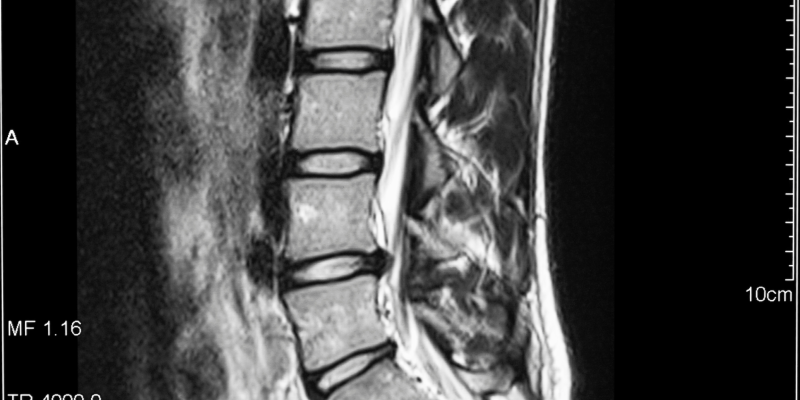
| What it is | Disc material pushed beyond its normal boundary, which can irritate a nearby nerve |
|---|---|
| Common levels | L4-L5 and L5-S1 in the low back; C5-C6 and C6-C7 in the neck |
| Key symptoms | Back or neck pain with leg or arm pain, tingling or weakness |
| Natural course | Many herniations shrink over months; larger ones often shrink the most |
| Main treatment | Graded exercise, activity advice, nerve-friendly positions; surgery for severe or progressive cases |
Has your MRI mentioned an L4–L5 or L5–S1 disc herniation? Or are neck and arm symptoms making work, sleep and exercise difficult? A scan report can raise questions about what you can do and where to start.
At Dublin Sports Injury Clinic, we assess disc-related lower back and neck symptoms and provide personalised treatment and rehabilitation. Our goal goes beyond pain relief: helping you regain confidence, independence and the ability to enjoy your hobbies and everyday activities.
Book a back or neck pain assessment
What is a herniated disc?
Discs sit between the bones of your spine. A herniation occurs when some of the inner disc material extends beyond its normal boundary through the outer disc structure. It is sometimes called a prolapsed or “slipped” disc, although the whole disc does not slip in and out.
A disc bulge and a herniation describe different changes in disc shape. Neither term, by itself, tells us how much pain you have or which treatment you need. Some disc findings cause no symptoms.
When a nearby nerve is irritated or compressed, symptoms may travel into a leg or arm. Your examination helps establish whether your scan findings fit your symptoms.
L4–L5 and L5–S1 disc herniation: lower back and leg symptoms
L4–L5 and L5–S1 are levels in the lower, or lumbar, spine. A herniation here may be associated with lower back pain or nerve-related leg symptoms, often called sciatica.
Symptoms can include pain travelling into the buttock or leg, tingling, numbness or muscle weakness. The location and behaviour of symptoms vary; not every person with the same disc level has the same experience.
Your assessment considers movement, leg strength, sensation and relevant nerve tests, alongside the activities you find difficult.
We discuss practical goals such as sitting at work, walking comfortably, lifting, running or returning to the gym.
Cervical disc herniation: neck, shoulder and arm symptoms
Disc problems can also occur in the neck, or cervical spine. If a nerve root becomes irritated or compressed, this may cause pain spreading into the shoulder or arm, tingling, numbness or weakness. This is known as cervical radiculopathy.
We assess your neck and upper-limb symptoms, movement and strength, with neurological tests where appropriate. New or worsening weakness needs prompt medical review.
Your plan may focus on improving comfort during desk work, driving and sleep, then rebuilding capacity for exercise and daily tasks.
Explore our neck pain physiotherapy service.
What happens at your first appointment?
You should leave with a clearer understanding of your symptoms and a practical starting point.
- Your history: we discuss symptom onset, previous treatment, medical history, daily routine and goals.
- Your examination: we assess movement, strength and nerve function as indicated.
- Your reports: we review relevant imaging alongside the examination, rather than basing decisions on a scan alone.
- Your treatment: we discuss appropriate options for symptom management and begin suitable treatment.
- Your plan: we explain exercises, activity adjustments, expected progress and when to review your rehabilitation.
If your findings suggest a need for medical investigation or specialist care, we explain the appropriate next steps.
Our holistic approach: beyond pain relief
Back and neck rehabilitation should reflect the person as well as the diagnosis. We consider your movement, strength, activity, sleep, stress, overall health and confidence in exercise.
With 15 years of experience, Bob Firouzi combines physiotherapy with his background in sports science and sports psychology. Through his online rehabilitation programmes, he has also helped people around the world manage back pain and rebuild their ability to stay active.
Your customised plan is tailored to your symptoms, ability and goals. We help you learn how to manage symptoms and progress towards the activities that matter to you—caring for your family, working, enjoying your hobbies or training in the gym.
Learn about our back and neck pain physiotherapy services.
What exercises help with a herniated disc?
There is no single “best” exercise routine for every disc herniation. The exercises that suit one person may aggravate another’s symptoms.
Rehabilitation may combine comfortable movement, suitable aerobic activity and progressive strengthening. We adjust the range, resistance and workload according to your assessment and response.
If an existing exercise clearly worsens symptoms or increases pain travelling down a limb, stop and ask for advice about adapting it. Do not push through new weakness or increasing neurological symptoms.
As you improve, the programme can progress towards the demands of your work, hobbies or sport.
Can I use the exercise video on this page?
The video demonstrates general lower-back exercise options. It is not a personalised programme, a neck rehabilitation routine or suitable for every lumbar disc problem. Ask for guidance if you are unsure whether the movements match your symptoms.
Can a herniated disc improve without surgery?
Many people improve with non-surgical management. Some herniations also shrink over time, but symptom improvement and changes on a scan do not always follow the same timeline.
Rehabilitation aims to improve function and confidence; it does not promise to push a disc back into place. Surgery may be appropriate for persistent disabling symptoms or certain neurological findings.
Online rehabilitation with Bob the Physio
Unable to attend in Dublin? An online consultation allows Bob to discuss your history, symptoms, relevant reports and rehabilitation options.
Based on your assessment, Bob can recommend a suitable online rehabilitation package—6, 12 or 20 weeks—with personalised exercise videos, follow-up appointments and support as you progress. Your package length is not a guarantee of complete recovery within that period.
Some symptoms require an in-person examination or medical assessment before online rehabilitation is appropriate.
Learn about online physiotherapy consultations.
Risk factors
- Age 30 to 50, when discs are most prone to herniation
- Heavy, repetitive lifting and twisting, or long periods of sitting and driving
- Smoking, which reduces disc nutrition
- Higher body weight and low physical activity
- Family history of disc problems
Seek urgent medical care if: you have numbness around the groin or saddle area, new bladder or bowel problems, rapidly worsening arm or leg weakness, or problems with balance or hand coordination.
Frequently asked questions
Does every disc bulge cause pain?
No. Disc findings can exist without symptoms. We assess whether the finding fits your pain and examination.
Do I need an MRI before booking?
Not usually. An assessment can help determine whether imaging or referral is appropriate. Bring existing reports if you have them.
How long will recovery take?
It varies with your symptoms, nerve involvement and goals. We discuss realistic expectations after assessment and review your progress through function, strength and symptom changes.
Can I return to lifting and exercise?
For many people, this is a rehabilitation goal. Your starting point and progression should be individualised, especially if you have weakness or other neurological symptoms.
When to seek urgent medical help
Seek emergency assessment for back or leg pain with new difficulty passing or controlling urine, loss of bowel control, or numbness around the genitals or bottom.
New or rapidly worsening weakness, walking or balance difficulties, or hand clumsiness with neck symptoms requires urgent medical review. Do not wait for a routine physiotherapy appointment.
Start with a clear recovery plan
You do not need to know which exercises or treatments to choose before coming in. We help you understand your symptoms and take the next step.
Dublin Sports Injury Clinic
56 Fitzwilliam Square North, Dublin 2
Phone: 087 927 6712
Book your back or neck pain assessment
Related conditions
Related articles
Annular Tear at L4-L5 and L5-S1 Can a Disc Bulge Heal Cervical Disc Herniation
Clinical references
- NHS: Slipped disc.
- American Academy of Orthopaedic Surgeons: Herniated Disk in the Lower Back.
- American Academy of Orthopaedic Surgeons: Cervical Radiculopathy (Pinched Nerve).
- American Academy of Orthopaedic Surgeons: Cervical Spinal Cord Compression.
- NICE NG59: Low back pain and sciatica—assessment and management.
General information only. Individual rehabilitation depends on your symptoms and assessment.
Need help with this? Talk to a physiotherapist.
Need help? Read about our neck pain treatment in Dublin, or book an appointment in person or online.
Get a proper assessment and a personalised recovery plan at Dublin Sports Injury Clinic, 56 Fitzwilliam Square, Dublin 2, or book an online consultation from anywhere. Learn more about our neck pain treatment in Dublin.
Not in Dublin? Recover with Bob online.
Follow Bob’s step-by-step rehab plans in the Bob the Physio app, or work with him 1:1 on a flexible monthly online programme. See real recovery stories from 1,000+ people.