
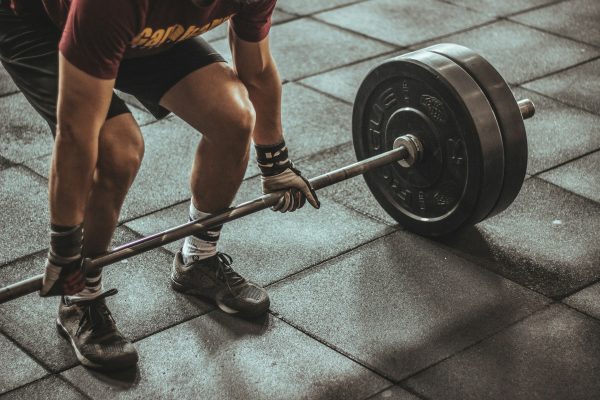
Feeling a sharp twinge or stiffness in your lower back after deadlifting is common, and most of the time it is not serious. Most lifting-related back pain settles within days to a few weeks, and with the right plan you can usually keep training and return to full deadlifts.
Need help? Read about our back pain treatment in Dublin, or book an appointment in Dublin 2 or online.
| Most common cause | Overloaded back muscles and joints, usually a strain or irritation |
|---|---|
| Less common | Disc-related pain, sometimes with leg symptoms (sciatica) |
| First days | Keep moving, reduce lifting load, use positions that ease pain |
| Return to lifting | Usually 1 to 6 weeks, building back gradually |
| Scans | Rarely needed unless red flags or nerve symptoms |
What causes it?
Deadlifts are a safe and useful exercise, and injury rates in strength training are low compared with many sports. Back pain usually comes from a mismatch between load and capacity on the day:
- A big jump in weight, sets or volume
- Fatigue at the end of a session or after poor sleep
- Grinding out a heavy rep with a change in technique
- Returning after a break without building back up
Symptoms
- Muscle or joint strain: one-sided or central back pain and stiffness, worse bending or getting up, no leg symptoms
- Disc-related or nerve pain: pain spreading into the buttock or leg, pins and needles, numbness, or pain with coughing and sneezing
Seek urgent medical care if: you have numbness around the groin or saddle area, new bladder or bowel problems, or rapidly worsening leg weakness.
How is it diagnosed?
A physiotherapist can usually tell what is going on from your history and examination of movement, strength, sensation and reflexes. Most people do not need a scan. Imaging is reserved for red flags, severe or worsening nerve symptoms, or pain that is not improving after around 6 weeks.
Treatment
- Calm things down: keep walking, avoid bed rest, and use positions that ease pain
- Modified training: keep training the rest of your body and swap heavy hinges for pain-free variations
- Rebuild the hinge: start with Romanian deadlifts, kettlebell or trap-bar deadlifts at a light load
- Progressive loading back towards your previous working weights over a few weeks
- Programming: sensible progression, deload weeks and recovery
What you can do at home
- Walk little and often in the first days
- Use heat if it eases stiffness
- Avoid long periods of sitting
- Try gentle movements such as knee rocks and cat-camel
- Return to the gym early with lighter, pain-free work rather than stopping completely
Outlook
Most lifters are back to normal training within a few weeks. If your pain spreads into the leg, read our guides on sciatica relief and whether a disc bulge can heal.
Frequently asked questions
Should I stop deadlifting after hurting my back?
Usually only for a short time. Most people return to deadlifting with a lighter, gradual build-up, and deadlifts are often part of rehab.
Is it a muscle strain or a disc?
Muscle strains usually cause one-sided back pain without leg symptoms. Pain spreading down the leg, pins and needles or numbness suggest a nerve may be involved and are worth getting assessed.
Do I need an MRI?
Usually not. MRI is helpful if you have red flags, worsening nerve symptoms, or are not improving after 6 weeks.
Should I wear a lifting belt?
A belt can help on heavy sets, but it does not replace good strength and technique. It is not needed for lighter rehab work.
Videos that will help
- 5 mistakes that make back pain worse
- Best exercise routine for disc bulges and herniations
- Real patient: disc bulges, back to work without surgery
Related conditions
Related articles
Sacroiliac Joint Pain Best Core Exercises for Lower Back Pain (Chronic Back Pain Myth Buster
Get expert help
Not improving, or want a plan built around your goals? Book an assessment at our Dublin 2 clinic or online from anywhere.
General information only; it does not replace an individual assessment.
Not in Dublin? Recover with Bob online.
Follow Bob’s step-by-step rehab plans in the Bob the Physio app, or work with him 1:1 on a flexible monthly online programme. See real recovery stories from 1,000+ people.
References
- National Institute for Health and Care Excellence. Low back pain and sciatica in over 16s: assessment and management (NG59). 2016, updated 2020.
- Aasa U, et al. Injuries among weightlifters and powerlifters: a systematic review. Br J Sports Med. 2017;51(4):211-219.
- Berglund L, et al. Which patients with low back pain benefit from deadlift training? J Strength Cond Res. 2015;29(7):1803-1811.
- O’Sullivan PB, et al. Back to basics: 10 facts every person should know about back pain. Br J Sports Med. 2020;54(12):698-699.