
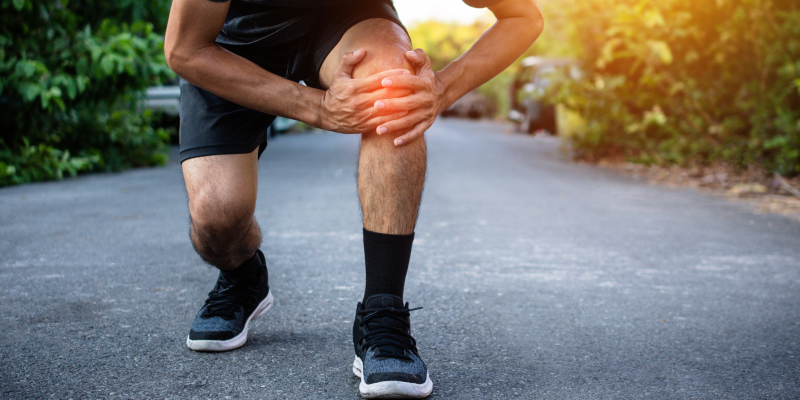
Pain around your kneecap when running, squatting or going downstairs? Runner’s knee can make training uncomfortable and affect everyday activities.
Need help? Read about our knee pain treatment in Dublin, or book an appointment in person or online.
| What it is | Pain around or behind the kneecap (patellofemoral pain) |
|---|---|
| Aggravated by | Stairs, squatting, running downhill, sitting with bent knees |
| Main treatment | Hip and quadriceps strengthening, running load changes, taping short-term |
| Typical improvement | 6 to 12 weeks of consistent exercise |
| Scans | Rarely needed; diagnosis is clinical |
At Dublin Sports Injury Clinic in Dublin 2, we assess knee pain and provide personalised treatment and rehabilitation. Our approach combines practical advice, progressive strengthening and suitable additional treatments, including TECAR therapy, where appropriate.
Whether you want to return to running, manage stairs more comfortably or rebuild confidence in the gym, your recovery starts with understanding your symptoms.
Book your knee pain assessment
What is runner’s knee?
Runner’s knee commonly refers to patellofemoral pain, also called patellofemoral pain syndrome or PFPS. It describes pain around or behind the kneecap.
Despite its name, it can affect people who do not run.
Common symptoms of runner’s knee
Symptoms may include:
- Pain around or behind the kneecap.
- Discomfort when running, particularly downhill.
- Pain with stairs, squats or lunges.
- Aching after sitting with your knees bent.
- Difficulty tolerating your usual exercise routine.
Other knee conditions can produce similar symptoms, so an assessment helps establish the most appropriate treatment.
Why has my knee started hurting?
Patellofemoral pain usually involves several contributing factors rather than one single cause.
At your appointment, we explore changes in your running, gym routine, work and daily activities. We also discuss previous injuries, recovery between sessions and what your knee currently tolerates.
You do not need to assume that your running technique is “wrong” or that every painful movement is damaging your knee. The aim is to understand your individual situation and identify manageable changes.
What happens at your first appointment?
Your assessment at Dublin Sports Injury Clinic starts with your history and goals.
We discuss where you feel pain, when it started and how it affects training, work and everyday life. Your physical examination considers knee movement, strength and relevant activities such as squatting or stepping.
Your consultation includes:
- An explanation of the assessment findings.
- Appropriate treatment to help manage symptoms.
- Advice on adjusting aggravating activities.
- A personalised rehabilitation plan.
- A discussion of your likely recovery pathway.
We explain what to work on between appointments and how we will review your progress.
Runner’s knee rehabilitation: what helps?
1. Understand and manage your activity
Education helps you make informed decisions about exercise and daily demands.
We help you plan practical adjustments to your training and discuss how to monitor your response, rather than relying on a cycle of stopping completely and restarting at the same level.
2. Build knee and hip strength
Knee-targeted exercise, with hip strengthening where appropriate, is a central part of patellofemoral pain rehabilitation.
Your programme is adapted to your ability and goals. We demonstrate the exercises, check your technique and explain how to progress.
3. Choose additional support when needed
Taping, prefabricated foot orthoses or running retraining may be useful for selected people. These options should be tailored to your needs rather than prescribed automatically.
4. Work towards your own goals
Our reviews focus on the activities that matter to you. That might mean managing stairs, returning to a regular running routine or building back towards heavier gym training.
We adjust your programme around your progress and the practical demands of your week.
TECAR therapy for knee pain in Dublin
TECAR therapy is a form of radiofrequency diathermy that can produce therapeutic warmth in the treated tissues.
At Dublin Sports Injury Clinic, we may offer TECAR as an additional treatment for symptom management following an assessment.
Research across different musculoskeletal conditions suggests possible pain-relieving benefits. However, the evidence specific to patellofemoral pain is limited, and it is not established that TECAR adds lasting benefit to a well-designed exercise programme for this condition.
TECAR complements your rehabilitation; it does not replace strengthening, education or activity management.
We discuss its suitability, explain what to expect and review whether it is helping you.
Learn more about our TECAR therapy service in Dublin
See a doctor promptly if: your knee is hot, red and swollen, locks or gives way, or you cannot bear weight.
Frequently asked questions
Can I keep running with runner’s knee?
Some people can continue with an adjusted routine; others need a temporary reduction. We help you make that decision based on your symptoms and response to activity.
How long does recovery take?
There is no single timeline that suits everyone. We discuss expectations after assessing your symptoms, current ability and goals, then review your progress throughout rehabilitation.
Will I need a scan?
Not everyone needs imaging. Your history and examination guide whether a scan or further medical assessment would be useful.
Is TECAR therapy essential?
No. It is an optional treatment that may be considered alongside your rehabilitation. Your plan should remain focused on helping you manage symptoms and rebuild activity.
When should I seek urgent assessment?
Seek urgent medical advice if your knee becomes hot and swollen with fever, or if an injury leaves you unable to bear weight or straighten your knee.
Book runner’s knee treatment in Dublin 2
If knee pain is interrupting your running, gym training or everyday activities, we can help you plan your next steps.
At Dublin Sports Injury Clinic, we provide individual assessments, personalised rehabilitation and suitable treatment options, including TECAR therapy.
Book your runner’s knee assessment
This article provides general education and does not replace an individual assessment.
Related conditions
Related articles
Hoffa’s Fat Pad Treatment in Dublin Meniscus Tear Management Knee Lateral Collateral Ligament Rehabilitation
References
- Neal BS, Lack SD, Bartholomew C, Morrissey D. (2024). Best practice guide for patellofemoral pain based on synthesis of a systematic review, the patient voice and expert clinical reasoning. British Journal of Sports Medicine, 58, 1486–1495.
- Collins NJ et al. (2018). 2018 Consensus statement on exercise therapy and physical interventions (orthoses, taping and manual therapy) to treat patellofemoral pain. British Journal of Sports Medicine, 52, 1170–1178.
- Vahdatpour B et al. (2022). Effects of Transfer Energy Capacitive and Resistive on Musculoskeletal Pain: A Systematic Review and Meta-Analysis. Galen Medical Journal, 11, e2407.
Need help with this? Talk to a physiotherapist.
Get a proper assessment and a personalised recovery plan at Dublin Sports Injury Clinic, 56 Fitzwilliam Square, Dublin 2, or book an online consultation from anywhere. Learn more about our knee pain treatment in Dublin.